


The accounting profession is undergoing one of the most significant transitions in its history. Technology, regulation, and shifting client expectations are redefining what it means to be an accountant — and what clients truly value.
While disruption can feel uncomfortable, it also creates opportunity. Following a practical MTD Income Tax 2026 guide allows firms and self-employed individuals to adapt early, invest wisely, and reposition their services for sustainable growth.
According to official regulations published on Gov.uk MTD Guidance, Making Tax Digital for Income Tax (MTD ITSA) mandates quarterly reporting for individuals earning over £50,000 starting in April 2026.
An Industry at a Turning Point

Accounting is no longer defined solely by compliance and reporting. Automation is reducing the time spent on manual processes, while regulatory change continues to push businesses towards digital record-keeping and real-time reporting.
At the same time, the talent pipeline is evolving. Fewer graduates are entering traditional accounting routes, and those who do increasingly expect careers that involve analysis, technology, and strategic input, not just number processing.
This combination of forces is reshaping the profession from the ground up.
What Is MTD Income Tax and Why Does It Matter?
At its core, MTD Income Tax replaces the traditional annual Self Assessment tax return with digital record-keeping and mandatory quarterly updates to HMRC.
The transition aims to eliminate manual data entry slip-ups, ensure real-time reporting, and give taxpayers clearer visibility into their tax liabilities throughout the tax year.
From Compliance to Advisory-Led Growth

One of the clearest shifts across the profession is the growing importance of advisory work. As routine compliance becomes more automated, firms are reallocating time towards higher-value services such as:
-
Business planning and forecasting
-
Cash-flow and working capital advice
-
Digital transformation support
-
Sector-specific insight
Clients no longer want accountants who simply report the past. They want partners who help them interpret the present and plan for the future.
Firms that embrace this transition are seeing stronger client relationships, more predictable revenue, and greater long-term resilience.
Digital Literacy Is Now a Core Skill
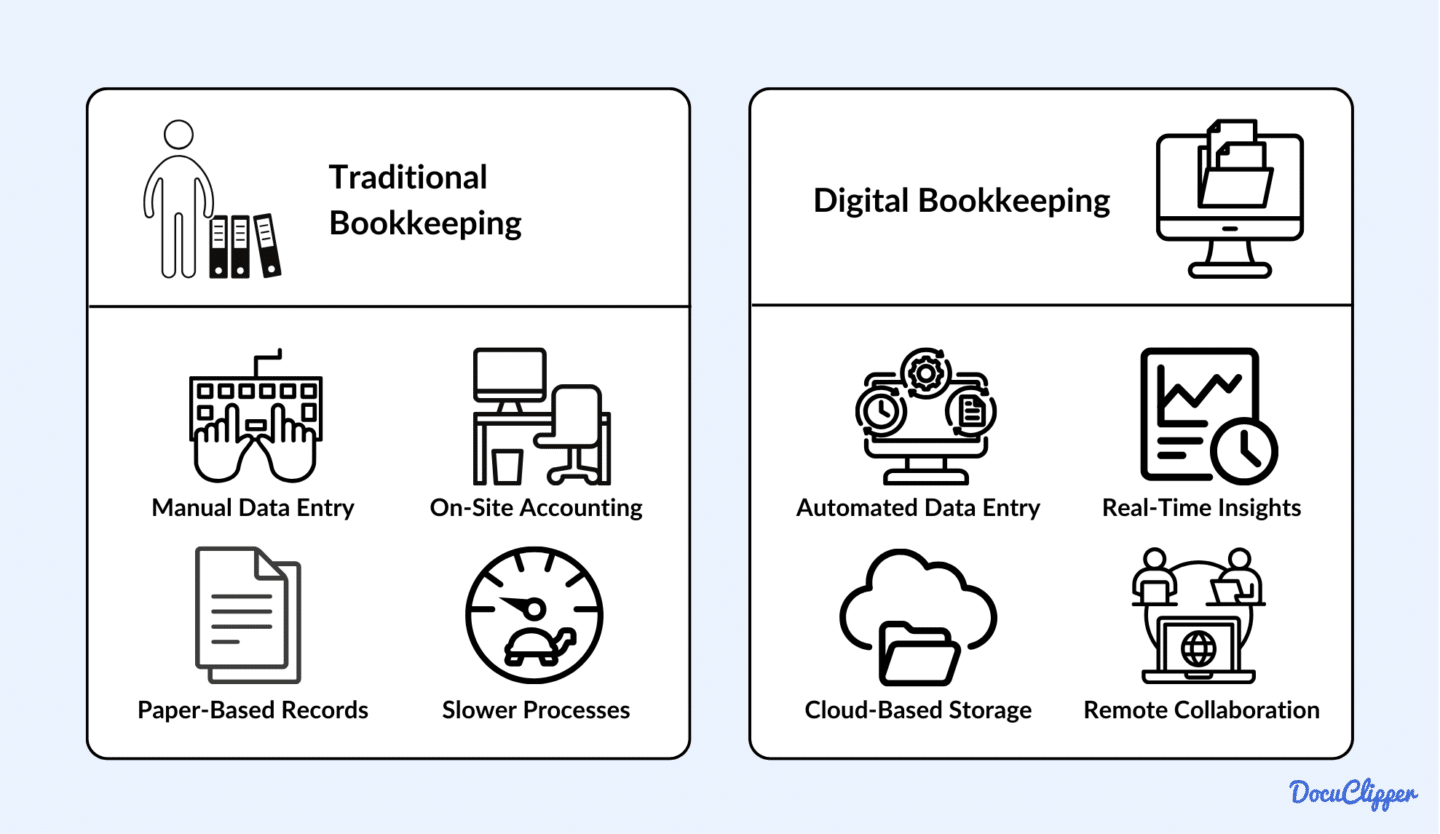
Technology is not replacing accountants — but it is changing what good looks like.
Digital literacy, data interpretation, and systems integration are becoming as important as technical accounting knowledge. With many businesses still underusing cloud tools and connected systems, there is a significant opportunity for firms to lead digital adoption.
Those that do can:
-
Reduce manual workloads
-
Improve accuracy and consistency
-
Free up time for insight-driven conversations
The result is a more scalable, efficient, and future-ready practice.
Finding Growth in a Changing Client Landscape

Growth does not always come from doing more of the same. Many successful firms are reassessing who they serve and where demand is strongest.
By specialising in growth sectors or aligning services with regulatory change — such as digital tax reporting — firms can differentiate themselves in an increasingly competitive market.
This strategic focus allows practices to deepen expertise, command higher-value engagements, and avoid competing purely on price.
Building a Firm That Can Adapt

Thriving through disruption requires more than new software. It requires intentional leadership, investment in people, and a willingness to evolve.
Firms that succeed in this environment:
-
Upskill their teams continuously
-
Align services with how new accountants are being trained
-
Treat change as a constant, not a one-off event
Adaptability is no longer optional — it is a defining characteristic of successful practices.
7 Crucial Steps to Master the MTD Income Tax 2026 Guide
To navigate this regulatory shift smoothly, accounting practices and business owners must follow these seven core preparation steps:
1. Identify In-Scope Clients and Income Thresholds
The mandatory rollout is phased based on qualifying gross income from self-employment and UK property:
-
April 2026: Gross qualifying income over £50,000.
-
April 2027: Gross qualifying income over £30,000.
-
April 2028: Gross qualifying income over £20,000.
Review previous Self Assessment returns early to segment who needs immediate onboarding.
2. Transition from Compliance to Advisory-Led Growth
As routine compliance becomes automated, firms must reallocate time toward higher-value advisory services:
-
Business planning and financial forecasting
-
Cash-flow and working capital management
-
Digital transformation support
-
Sector-specific strategic insights
Clients no longer want advisors who simply report past numbers; they want strategic partners who interpret current data to shape the future.
3. Build Digital Literacy as a Core Skill
Digital literacy, data interpretation, and systems integration are as vital as technical accounting knowledge. Implementing HMRC-compatible cloud tools allows practices to:
-
Eliminate manual workload bottlenecks
-
Improve data accuracy and consistency
-
Free up time for strategic conversations
4. Implement HMRC-Compatible Software
Paper records and unlinked spreadsheets no longer comply with HMRC rules. Businesses must adopt MTD-compatible cloud software or bridging solutions to record daily income and expenses digitally.
5. Establish a Quarterly Update Rhythm
Instead of one annual deadline on January 31, taxpayers must submit four quarterly summaries each year (due in August, November, February, and May) followed by a Final Declaration. Setting up structured quarterly workflows avoids last-minute rushes.
6. Specialise in Sector-Specific Growth Areas
By aligning service offerings with regulatory change — such as digital tax reporting — practices can differentiate themselves in a competitive market. Specialized advisory services command higher-value engagements and reduce price competition.
7. Leverage Expert Advisory for Smooth Onboarding
Working with experienced partners ensures that software selection, digital record-keeping, and HMRC sign-ups run smoothly without operational friction.
For further details on modern compliance and cloud platforms, consult our comprehensive UK Accounting Services Guide or explore our firm’s background on our About Us page.
Building a Practice That Can Adapt
Thriving through disruption requires intentional leadership, investment in staff, and a willingness to evolve.
Successful practices:
-
Continuous upskilling of their teams on modern cloud tools
-
Aligning internal workflows with digital training standards
-
Treating regulatory change as a constant driver of value
Adaptability is no longer optional — it is the defining characteristic of modern financial practices.
Final Thoughts: Opportunity Follows Adaptation
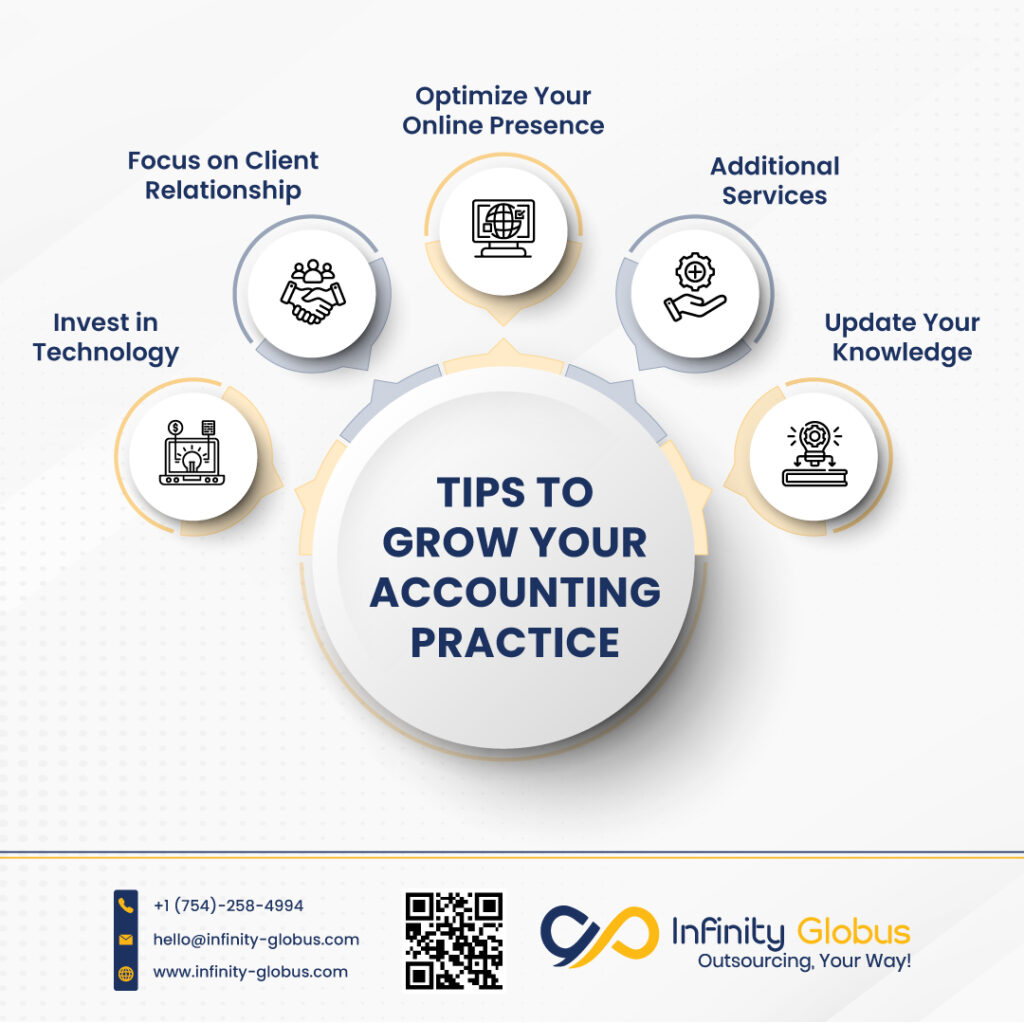
The digital tax shake-up is not a threat to the profession — it is a test of how firms respond. Practices that embrace technology, advisory work, and strategic focus will find significant new growth opportunities opening up around them.
At Ten Piece Limited, we support businesses and accounting practices through this transition — combining robust compliance with forward-looking insight to help you thrive in a changing regulatory landscape.
Ready to get MTD-ready? Explore our Services or Contact Us today.