



For many UK landowners, the transition from agricultural use to development — whether residential, commercial, or renewable energy — represents a significant financial opportunity. But it is also one of the most complex areas of tax and legal planning.
Without early, structured advice, what appears to be a straightforward route to value can quickly become delayed, inefficient, or unexpectedly expensive. The difference between a successful outcome and a problematic one is often decided long before any sale or lease is agreed.
Ownership Clarity Comes First
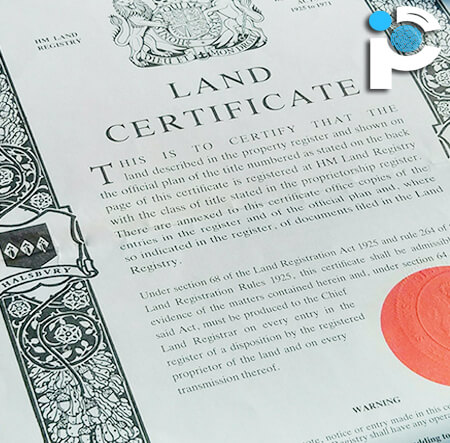
Before any commercial discussion begins, land ownership must be clearly established. In practice, this is not always simple.
Land held across generations can involve:
-
Unresolved probate
-
Informal or historic agreements
-
Verbal tenancies or undocumented rights
These issues can prevent vacant possession — a requirement for most developers — and may stall negotiations indefinitely. Early due diligence saves time, reduces legal friction, and strengthens negotiating positions later in the process.
Choosing the Right Structure for Collaboration

Where development requires multiple landowners to work together, structure matters as much as intent.
Informal arrangements may appear flexible but can introduce unexpected tax consequences, including double taxation on equalisation payments. More formal mechanisms — such as pooled arrangements or structured agreements — can improve certainty for developers and clarity for landowners.
However, every structure involves trade-offs. Some simplify profit sharing but increase administrative complexity or affect eligibility for reliefs. The optimal approach depends on long-term objectives, risk tolerance, and succession planning.
Protecting Inheritance Tax Reliefs
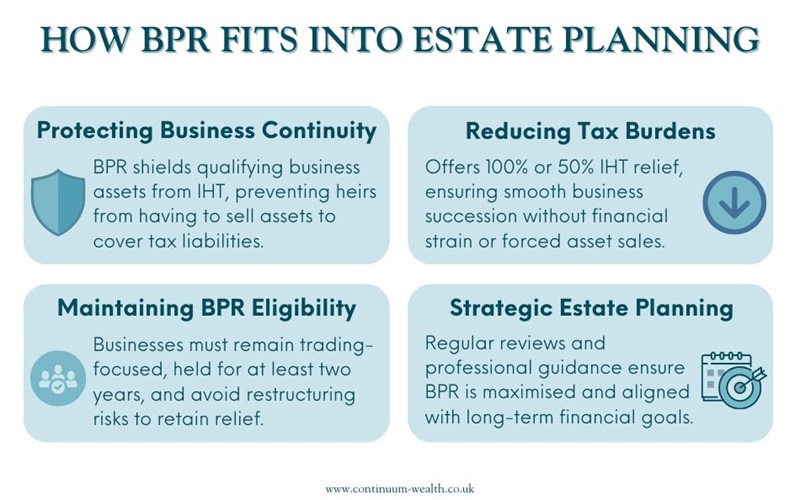
One of the most sensitive areas in land development planning is the impact on Inheritance Tax (IHT).
Changes in land use — particularly long-term leasing to third parties — can jeopardise reliefs such as Agricultural Property Relief (APR) and Business Property Relief (BPR). In some cases, relief may be lost not only on the developed land, but across the wider estate if the balance of activity shifts from trading to investment.
Careful structuring can help protect reliefs, but timing and intent are critical. Even temporary changes in use can have long-lasting consequences under HMRC’s approach.
Timing Matters in Renewable Projects

Renewable energy projects, particularly solar and wind, often involve long development timelines. Grid access, planning permissions, and infrastructure constraints can push connection dates many years into the future.
Despite this uncertainty, early engagement is essential. Initial agreements and applications can influence future outcomes and prevent operational conflicts with existing agricultural activity. Access rights, maintenance arrangements, and land use compatibility should all be addressed at the outset.
Capital Gains or Income: A Crucial Distinction

How profits from land development are taxed depends heavily on intention and structure.
Where HMRC views land as acquired or prepared with the intention of development for profit, proceeds may be taxed as income rather than capital gains — often at significantly higher rates. This assessment can apply even if land has been held for many years.
Clear documentation, consistent behaviour, and early professional advice are essential to manage this risk and support the intended tax treatment.
VAT Decisions Have Long-Term Consequences

VAT is frequently underestimated in land transactions. While bare land is generally exempt, opting to tax can allow recovery of VAT on development costs.
However, the decision is long-term and not easily reversed. If the eventual buyer cannot recover VAT, opting to tax may reduce the land’s attractiveness and value. The correct approach depends on the end use, buyer profile, and overall commercial strategy.
Final Thoughts: Turning Complexity into Long-Term Value
Land development is rarely just a transaction. It is a convergence of tax, legal, commercial, and often personal considerations — particularly for family-owned land.
Early, integrated planning allows landowners to preserve value, manage risk, and protect long-term objectives rather than reacting to problems once options have narrowed.
At Ten Piece Limited, we help landowners and property investors navigate these decisions with clarity — ensuring that opportunity is converted into sustainable, tax-efficient outcomes rather than avoidable complexity.