



Growing a business in the UK has never been simple — but in today’s environment of rising costs, tighter finance, and increased regulation, growth requires more than ambition. It requires structure, financial clarity, and disciplined decision-making.
Sustainable growth is not about chasing revenue at any cost. It’s about building a business that can expand without losing control, cash flow, or confidence.
Growth Starts with Financial Visibility

Many UK businesses attempt to grow without a clear view of their numbers. Annual accounts alone are not enough to support expansion decisions.
Businesses that grow successfully invest early in:
-
Regular management accounts
-
Cash-flow forecasting
-
Clear understanding of margins by product or service
Without this visibility, growth can strain liquidity, increase borrowing unnecessarily, or mask underperforming areas of the business.
With it, owners can make informed decisions about hiring, pricing, and investment.
Cash Flow Is the Real Fuel for Growth
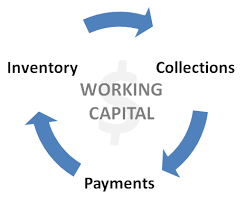
Profit does not guarantee growth — cash does.
UK businesses often fail not because they are unprofitable, but because cash is tied up in unpaid invoices, excess stock, or poorly structured payment terms. Improving working capital can release funding without taking on new debt.
Practical steps include:
-
Tightening credit control
-
Reviewing supplier and customer payment terms
-
Understanding the cash impact of growth before committing to it
Healthy cash flow gives businesses flexibility — and flexibility enables growth.
Pricing and Margin Discipline Matter More Than Volume

Growth achieved through volume alone can be dangerous. If margins are thin or costs are rising faster than prices, higher turnover may actually weaken the business.
Regular margin reviews help businesses:
-
Identify loss-making products or services
-
Adjust pricing with confidence
-
Focus growth efforts on the most profitable areas
In the current UK market, disciplined pricing is a competitive advantage — not a risk.
Using Structure and Tax Planning to Support Expansion
As businesses grow, their structure often needs to evolve. What works at an early stage may become inefficient as profits rise or activities diversify.
Reviewing structure can help:
-
Improve tax efficiency
-
Manage risk between activities
-
Support future investment or exit planning
Growth without planning can create unnecessary tax costs or compliance issues. Growth with structure creates resilience and optionality.
Investing in Systems, Not Just People

Hiring more people is often the default response to growth — but it’s not always the most effective one.
Businesses that scale well invest in:
-
Systems that reduce manual work
-
Automation for invoicing, reporting, and compliance
-
Technology that improves accuracy and speed
This allows teams to focus on value-generating activity rather than administration — supporting growth without proportional increases in overhead.
Growth Requires Forward Planning, Not Guesswork
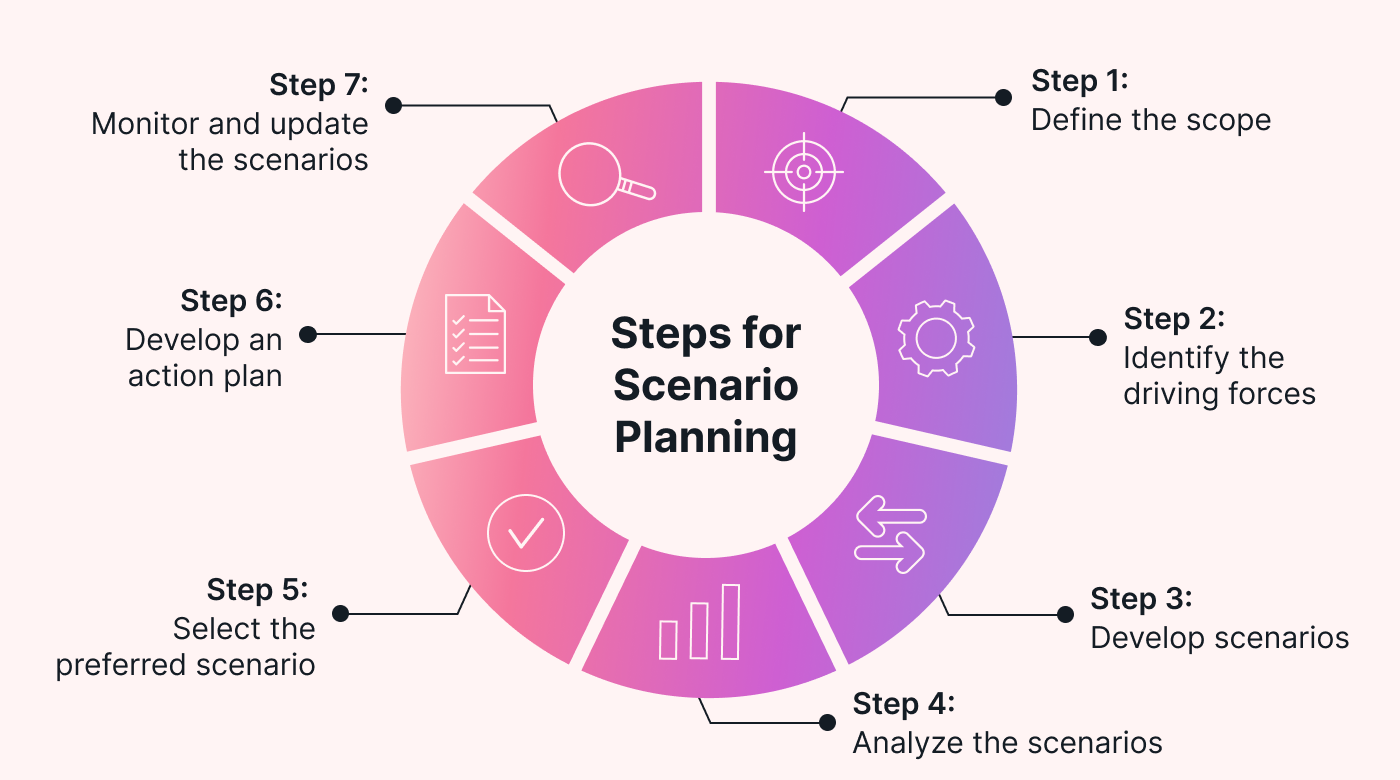
Sustainable growth is rarely linear. Economic conditions change, costs fluctuate, and opportunities appear unexpectedly.
Businesses that plan ahead use:
-
Forecasts rather than assumptions
-
Scenario planning to stress-test decisions
-
Regular reviews to adjust course early
This approach reduces risk and increases confidence — particularly when expanding into new markets, launching new services, or taking on long-term commitments.
Final Thoughts: Growth Is a Financial Strategy, Not a Leap of Faith

Growing a business in the UK is not about moving faster — it’s about moving deliberately.
The businesses that grow sustainably are those that combine ambition with discipline: clear numbers, strong cash flow, efficient systems, and proactive advice.
At Ten Piece Limited, we work with UK businesses to build the financial foundations that support confident growth — turning opportunity into progress, and progress into long-term success.